“The best time to fix a problem… is before anyone knows it exists.”
Before You List… Do This First
The most effective way to protect a deal is simple:
• Pre-inspect the home
• Address small repairs early
• Eliminate surprises
Don’t wait for the buyer’s inspector to find it…
Find it first.
Because once an issue shows up during a buyer’s inspection…
It doesn’t go away — it follows the property to the next buyer.
If you’re preparing to sell, under contract, or navigating inspections…
Getting clarity early can make all the difference.

Protect the Deal™
Repairs & Inspections from Contract to Closing
Where most real estate transactions face friction…
and where the right decisions keep them moving forward.
Repairs and inspections are not just a step in the process.
Those are the moments where deals are tested.
This is when:
• Buyers hesitate
• Sellers feel pressure
• Negotiations intensify
• Timelines start to slip

Final Walk-Through — Where Deals Still Fall Apart
Even after repairs are agreed…
Problems often show up right before closing:
• Repairs not completed properly
• Work done without receipts
• New damage or overlooked items
• Property condition changed
This creates last-minute stress, delays… or renegotiation.
A deal isn’t done until the walk-through is clean.

Repairs vs Credits — What Actually Works
Not all solutions are equal.
• Repairs done properly → build confidence
• Credits → shift risk to the buyer
• Escrow holdbacks → delay resolution
Most buyers prefer certainty over promises.
A clean fix beats a promised credit.

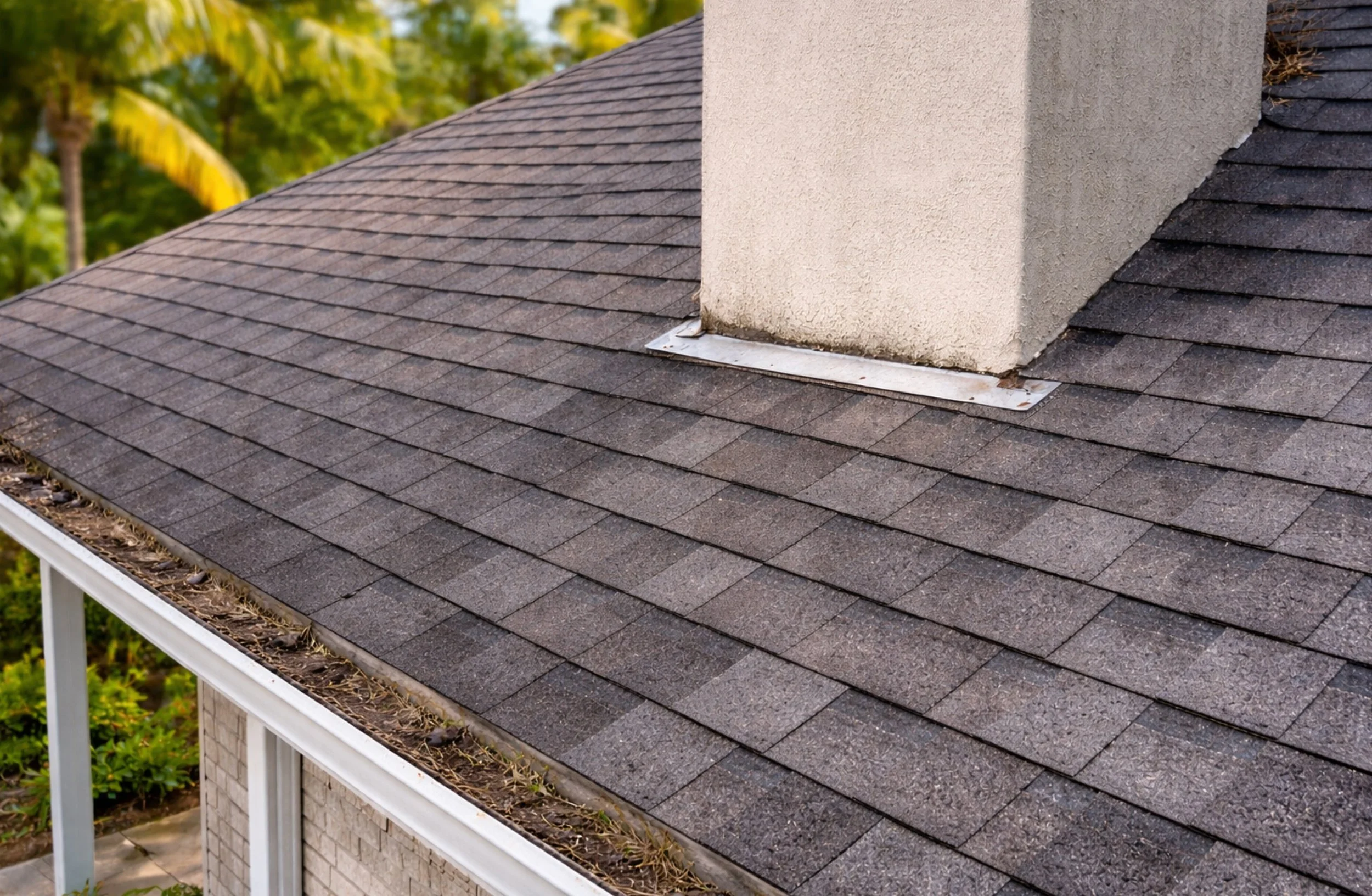
Roof
Check for:
• missing or damaged shingles
• worn flashing around vents and chimneys
• roof age and estimated remaining life
• leaks or water stains in the attic
• signs of past water damage
A roof may have worn shingles or a limited life…
But if there are no active leaks, it may still meet contract requirements.
A minor repair today can sometimes prevent a later insurance-required roof replacement.
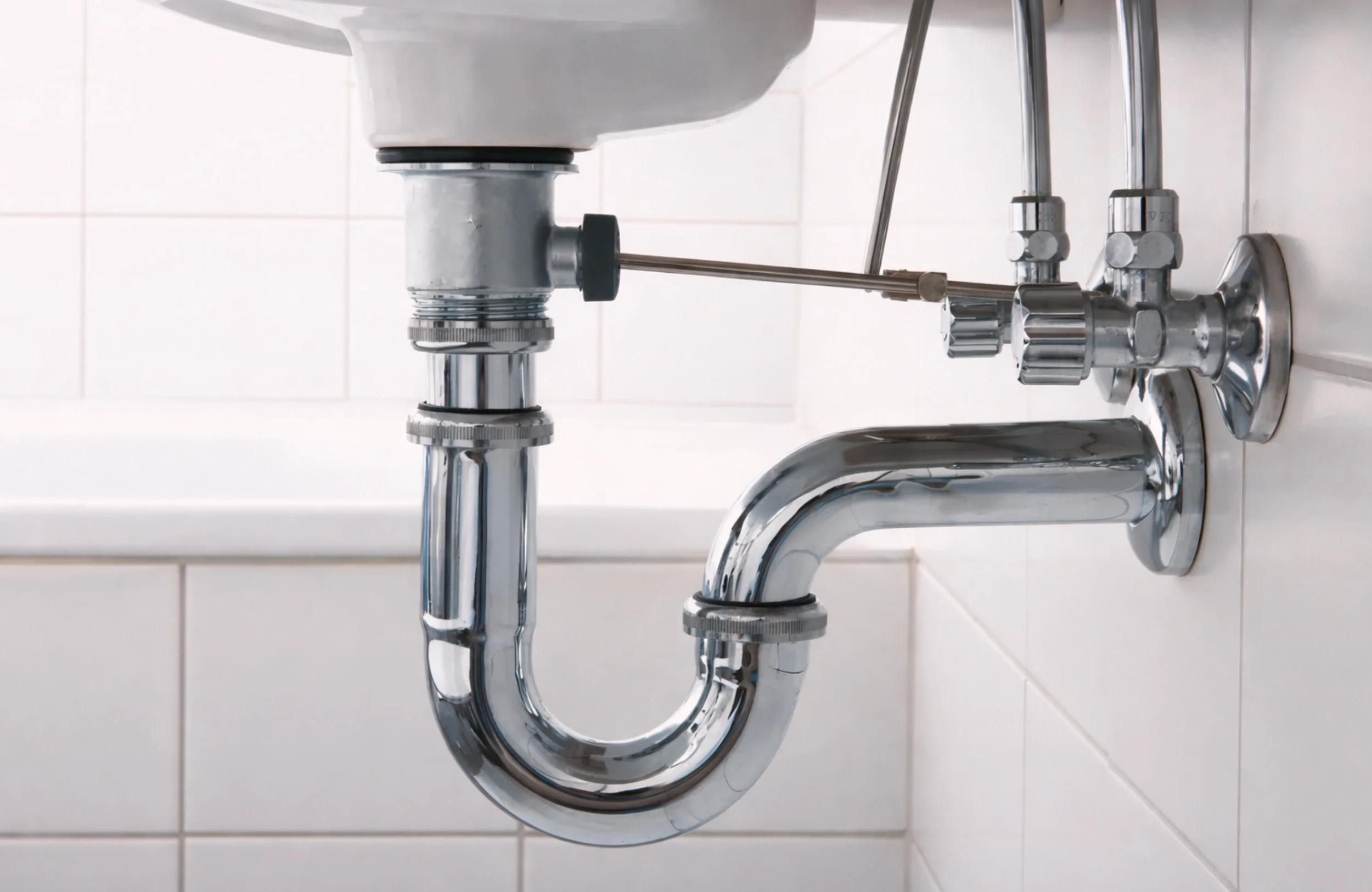
Plumbing
Check for:
• rusty or corroded pipes
• slow leaks under sinks
• aging pipe materials
• water pressure issues
Even a small leak can lead to significant water damage if ignored.
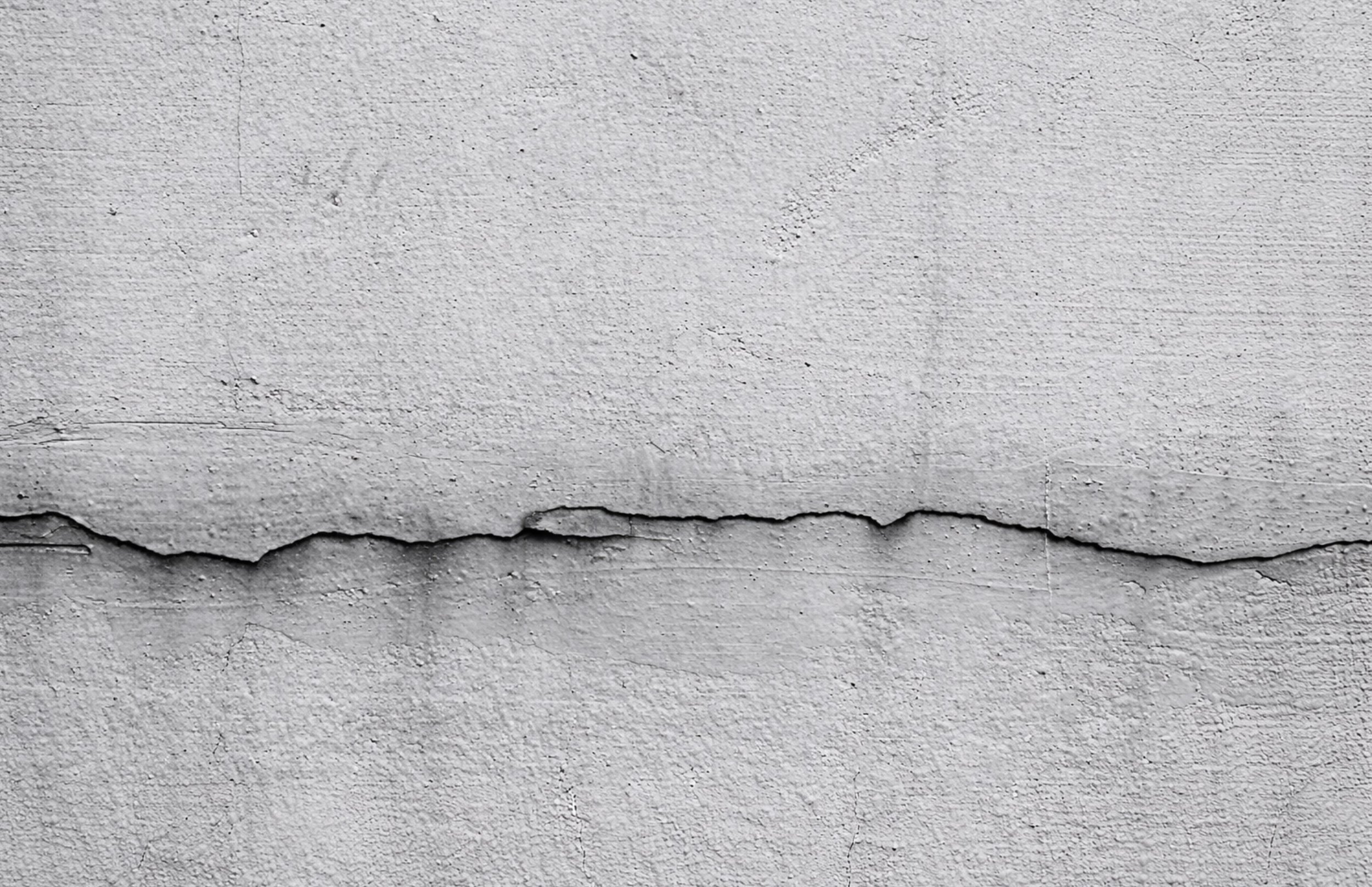
Exterior Walls
Check for:
• peeling paint
• cracks in stucco or siding
• soft or damaged wood trim
• gaps around windows or doors
Small cracks can allow moisture intrusion and pest problems.
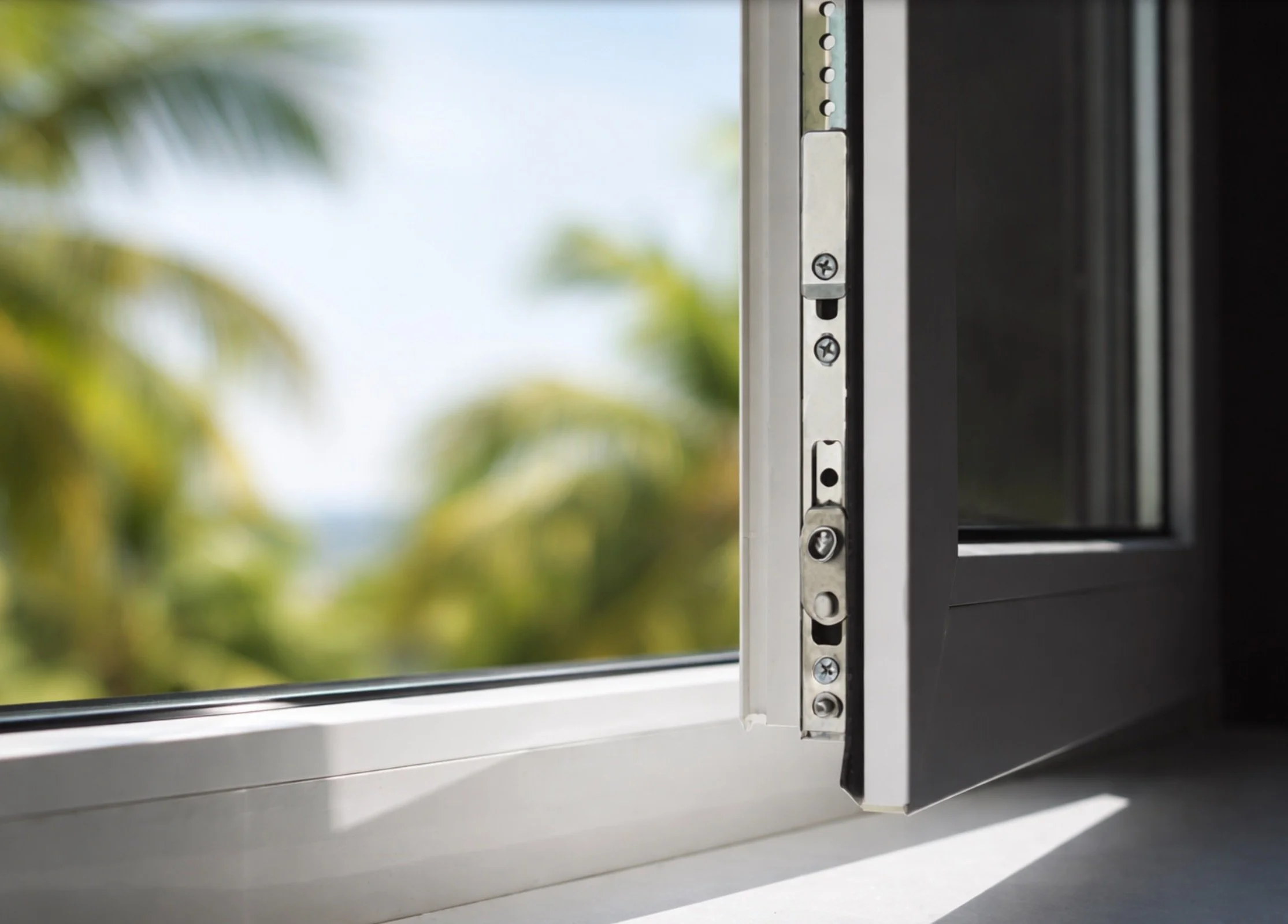
Doors & Windows
Check that:
• doors open and close smoothly
• windows operate properly
• seals and weatherstripping are intact
• locks function correctly
In Florida, buyers often value hurricane protection such as impact windows or shutters.
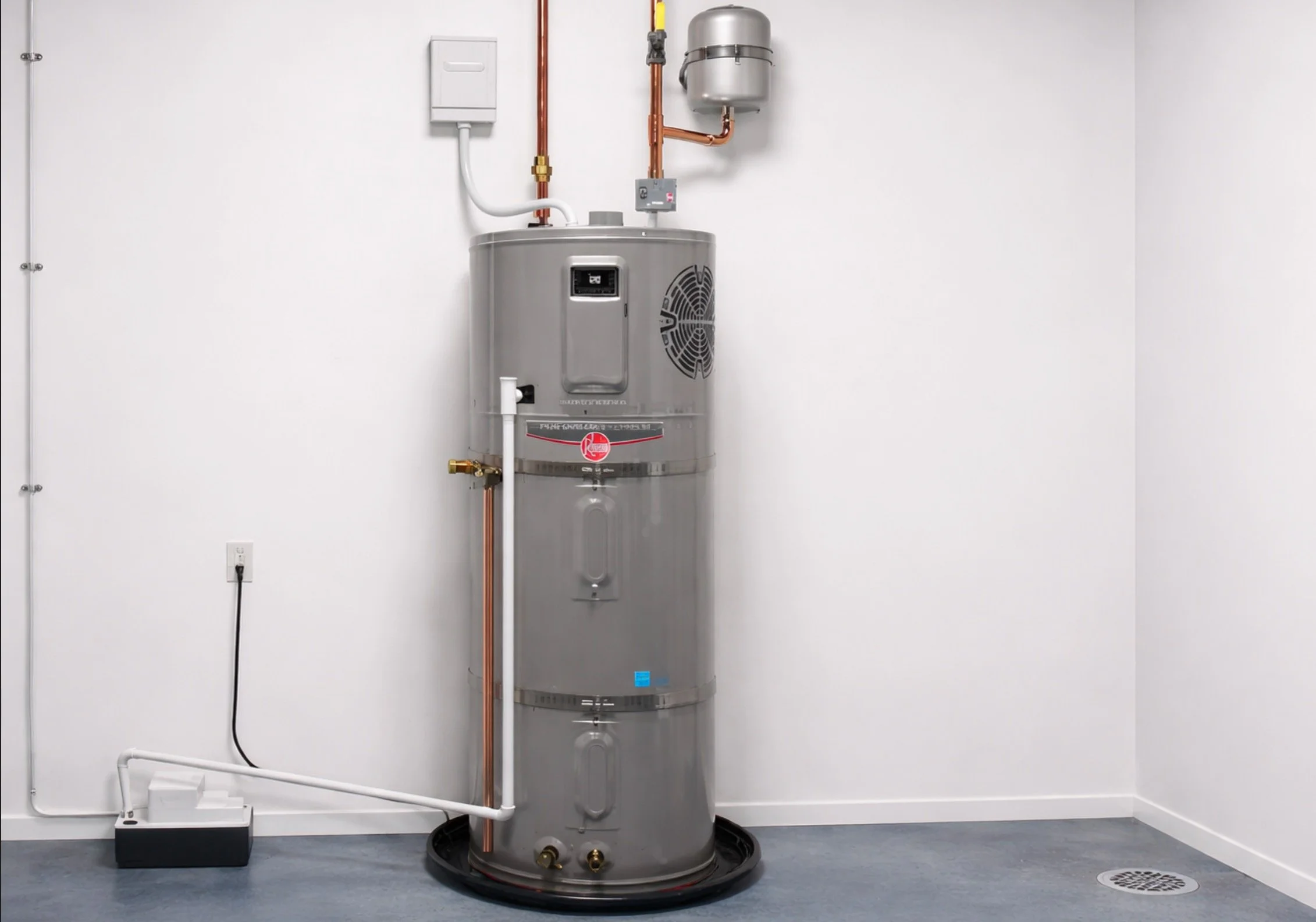
Water Heater
Check for:
• water heater age (10+ years may be nearing replacement)
• corrosion or leaks
• proper installation and safety valves
A newer water heater is a great value-added feature for buyers.
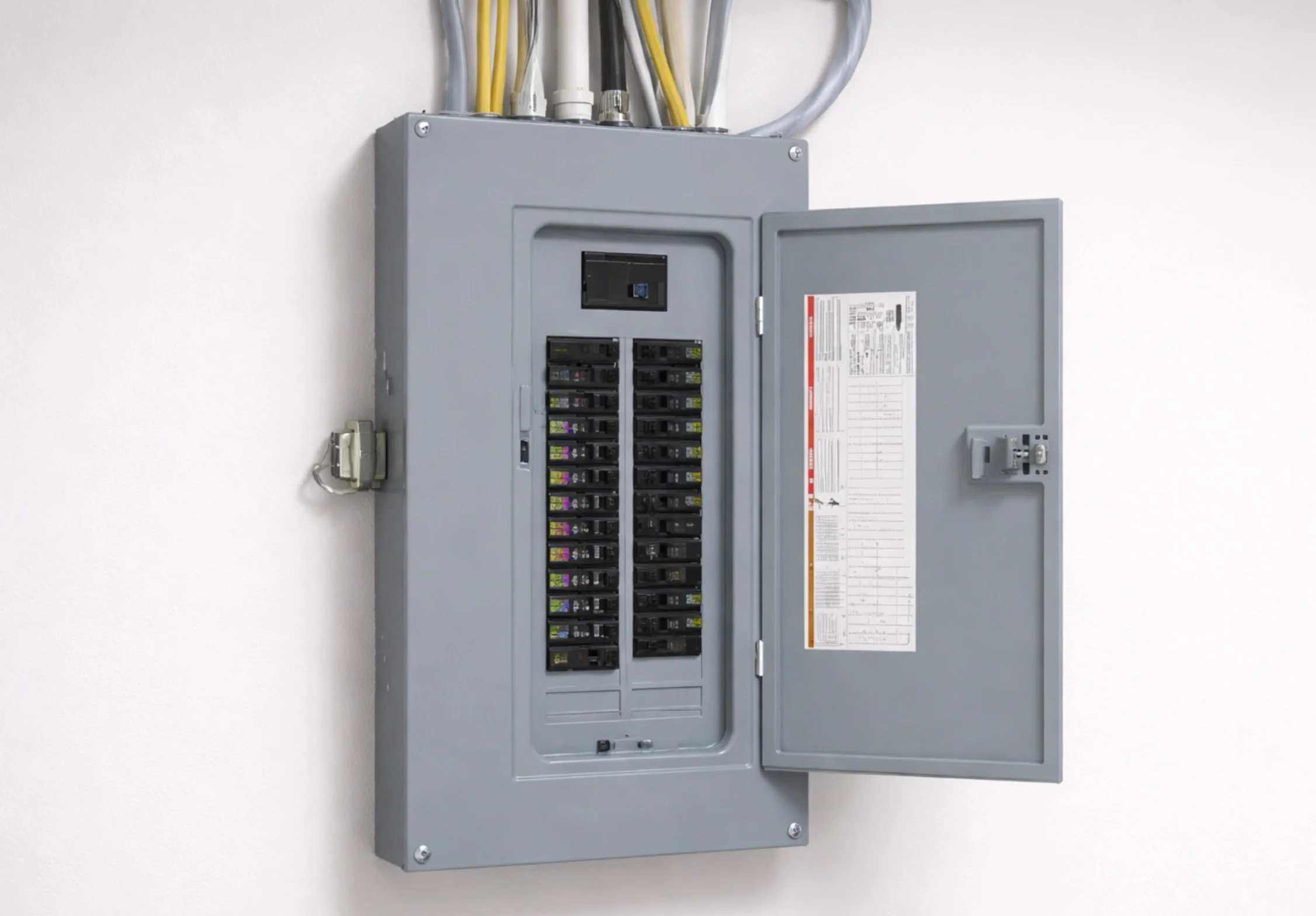
Electrical Safety
Check for:
• outdated electrical panels
• damaged wiring
• overloaded circuits
• missing outlet covers
• functioning GFCI outlets near water sources
• Bathrooms, kitchens, exterior outlets
• Panels missing AFCI breakers
Electrical issues are taken seriously because they can present fire risks.
Very common inspection flag in Florida.
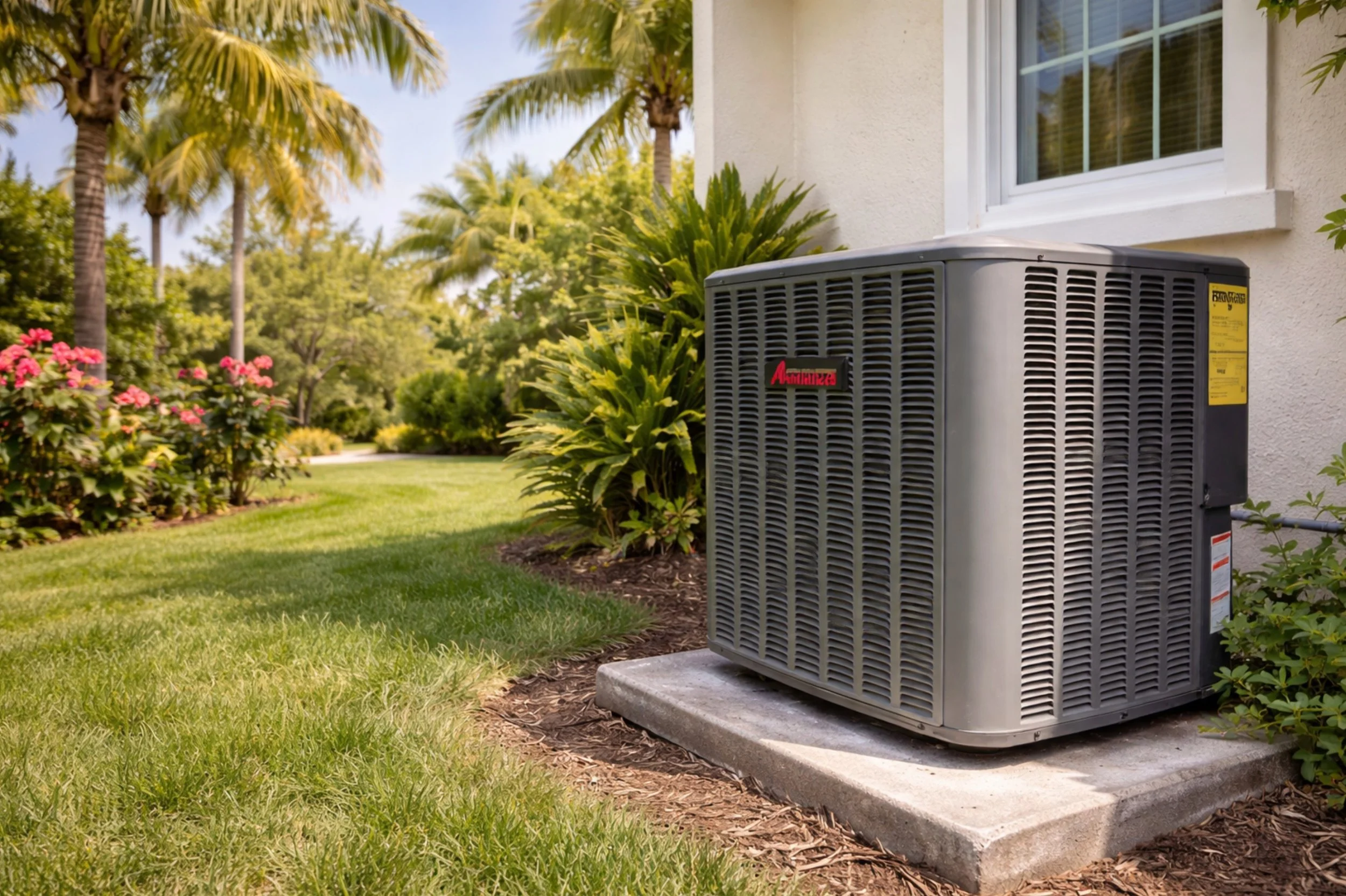
HVAC
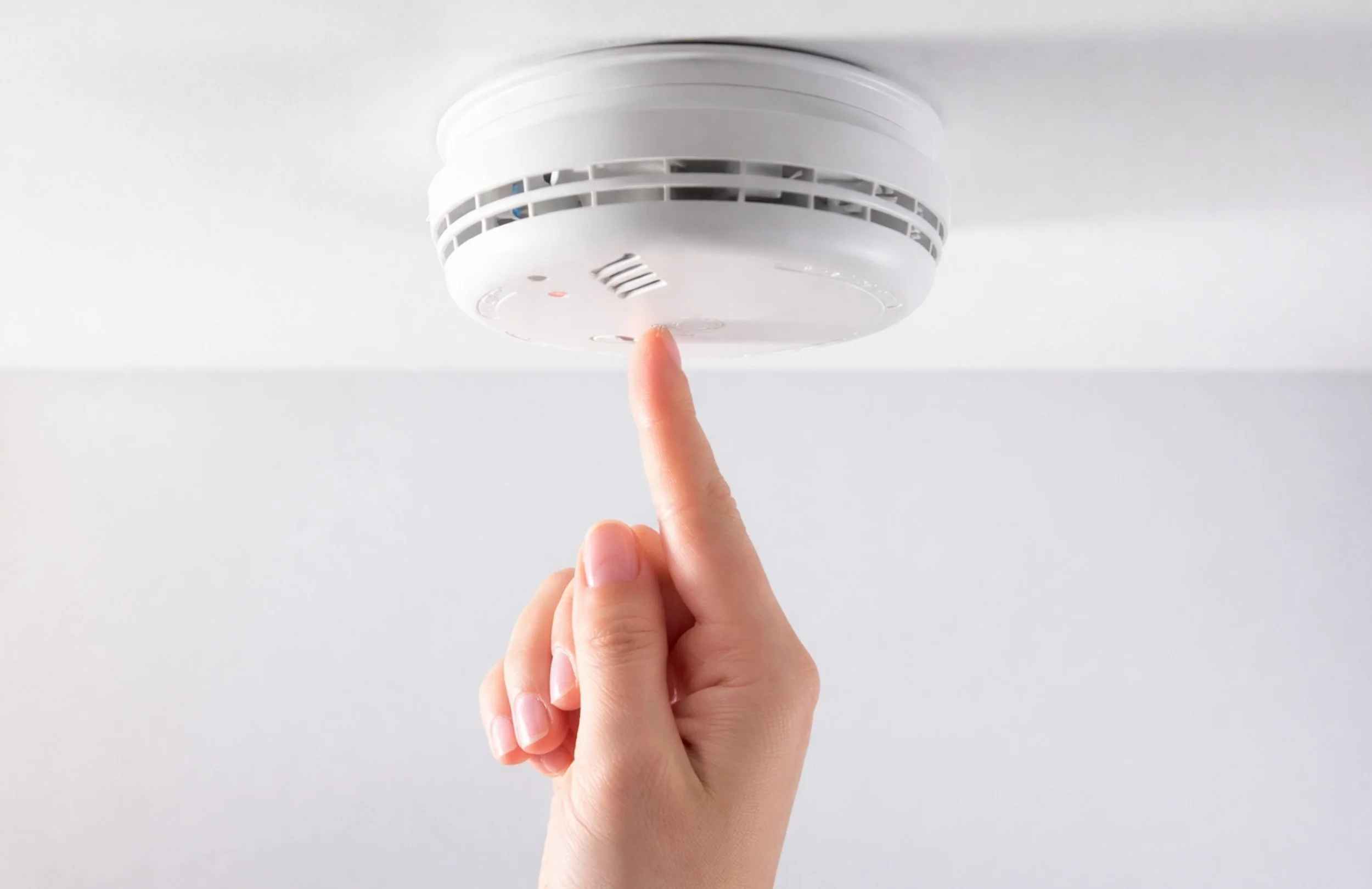
Smoke Detectors (yes — big one)
• Missing or outdated units
• Not hardwired where required
• Chirping / non-functional
Smoke Detectors — Small Detail, Big Signal
A yellow or yellowish-brown smoke detector is often a sign that the unit is aging and likely at the end of its service life.
Over time, the plastic housing can discolor due to:
• UV exposure
• Oxidation
• Breakdown of fire-retardant materials
Most manufacturers recommend replacing smoke detectors every 10 years.
Cheap fix, but buyers notice — and lenders/appraisers sometimes care.
Carbon Monoxide Detectors
• Required if there’s gas or an attached garage
• Often missing or outdated
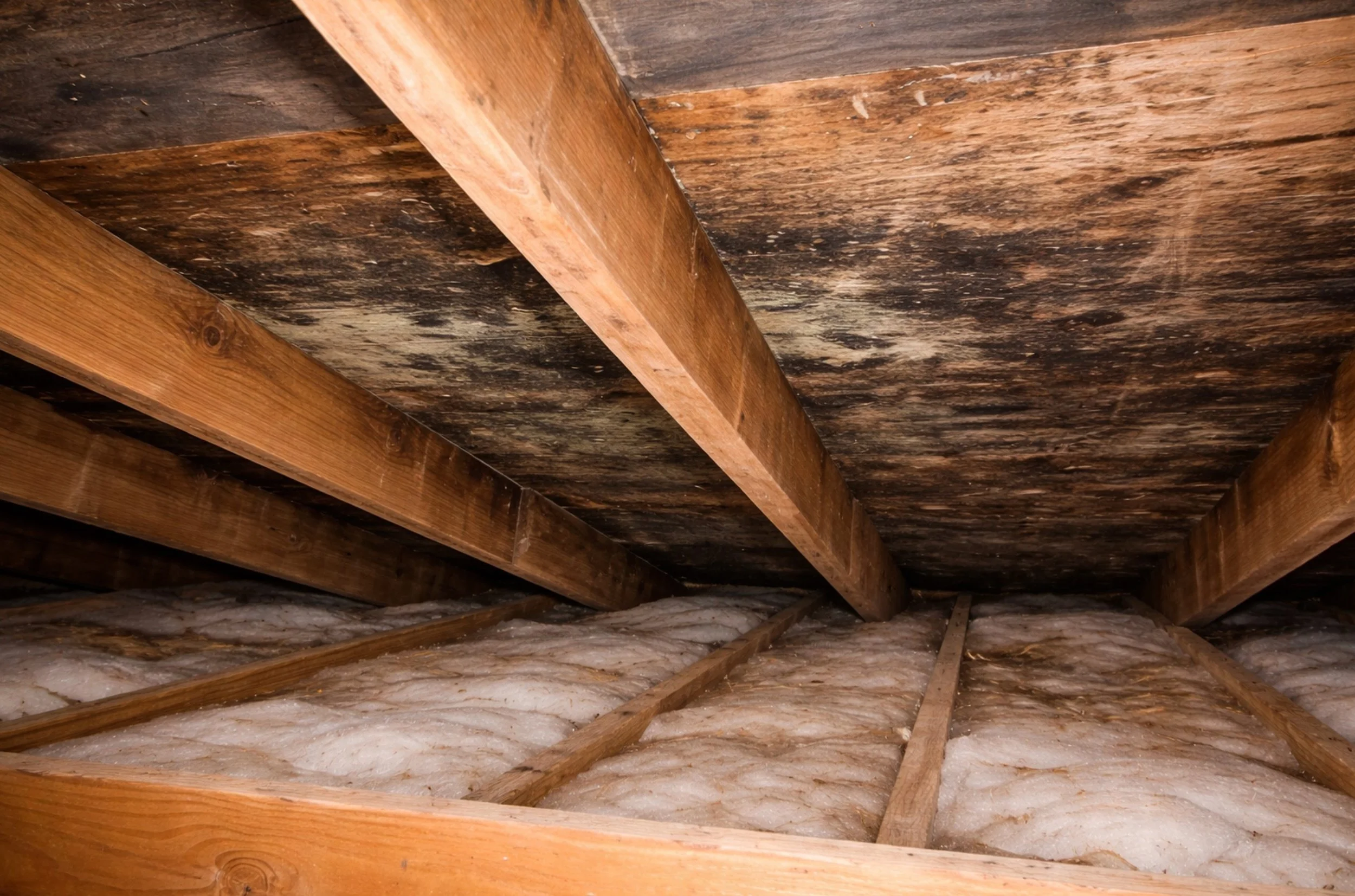
Attic Condition
Inspect for:
• attic moisture or mold
• insulation condition
• ventilation issues
• water stains from past leaks
Florida humidity can sometimes cause attic moisture problems that affect indoor air quality.
Termite infestation activity
Look for:
Permits & Disclosure — A Common Friction Point
Unpermitted work is one of the most common issues that surfaces during inspections.
Even if work was done years ago…
and even if it “looks fine”…
If it wasn’t properly permitted, it can raise concerns for buyers, lenders, and insurers.
Title & Permits — Know the Difference
A common misconception is that title companies verify construction quality or whether work was properly permitted.
They don’t.
Title companies review legal matters tied to the property —
not whether improvements were approved, inspected, or closed out.
Why This Matters
Unpermitted or open-permit work often surfaces later:
• During inspections
• During insurance underwriting
• During buyer due diligence
If it wasn’t signed off by the city… It’s still a question in the deal.
What Title Will Catch:
• Encroachments (driveway, fence, dock)
• Easements (utility, access)
• Boundary overlaps
• Legal restrictions
Title companies do not verify construction quality or permitting compliance.
Title & Permits — Know the Difference
A common misconception is that title companies verify whether work was properly permitted.
They don’t.
Title companies review legal matters tied to the property —
not whether improvements were approved, inspected, or closed out.
Why This Matters
Unpermitted or open-permit work often surfaces later:
• During inspections
• During insurance underwriting
• During buyer due diligence
If it wasn’t signed off by the city… It’s still a question in the deal.
What Title Will Catch:
• Encroachments (driveway, fence, dock)
• Easements (utility, access)
• Boundary overlaps
• Legal restrictions
Working Condition vs Cosmetic — Know the Difference
One of the most misunderstood parts of a real estate transaction is the difference between:
Working Condition
and
Cosmetic Condition
Working Condition
“Working Condition” means the item functions as intended.
That includes:
• Roof not leaking
• AC cooling properly
• Plumbing functioning
• Electrical systems operating
The system works.
Cosmetic Condition
“Cosmetic Condition” refers to appearance.
This includes:
• Worn or aged materials
• Minor cracks or imperfections
• Older finishes or outdated components
It may not look perfect… but it still works.
Real Example
A roof can have:
• Cracked tiles
• Worn shingles
• Limited remaining life
And still be considered acceptable under the contract
as long as there are no active leaks or structural issues
Why This Causes Friction
Buyers often see:
“This needs to be replaced.”
Sellers think:
“It’s working just fine.”
Both sides are reacting to different definitions.
THE TRUTH
The contract protects function… not appearance.
A home doesn’t have to be perfect… it just has to work.
This is where deals either:
• Stay calm and move forward
• Or become emotional and stall
Understanding this difference keeps negotiations grounded in reality.
• Inspection period (Section 9a)
• Property condition clause
• Moisture/termite issues
• Your “Deal Saver Process.”